Next-gen UHF RFID technology has reached a turning point where dramatically improved sensitivity and range are transforming industrial operations. By leveraging advanced chip architectures and software intelligence, manufacturers can now achieve a level of comprehensive, real-time visibility that was previously unattainable.
Breakthroughs in Sensitivity and Range
Modern hardware is overcoming the physical limitations of earlier RFID generations, allowing for wider coverage with fewer devices.
- Advanced Chip Architectures: The heart of this shift lies in next-gen chips like the Impinj M800 series. These chips offer industry-leading read sensitivity—reaching as low as -25.5 dBm.
- Extended Reach: This enhanced sensitivity allows fixed readers to scan tags reliably at distances of 15–20 meters or more under optimal conditions.
- Industrial Scalability: The expanded range is vital for covering wide warehouse portals, overhead applications, and expansive manufacturing floors without requiring an excessive density of readers.
Accuracy in Challenging Environments
Distance is only half the battle; next-gen readers are also conquering "noisy" and dense tag environments.
- Anti-Collision & Bulk Reading: Sophisticated signal processing allows readers to accurately identify hundreds of tags simultaneously, even when they are tightly packed.
- Interference Mitigation: Innovations such as multi-directional antenna arrays help maintain high read rates in environments prone to RF interference, such as those with high metal or liquid content.
- AI/ML Integration: Many modern readers now use Artificial Intelligence and Machine Learning algorithms to filter data, reduce missed reads, and improve the precision of population counts.
The Impact on Operations
The leap in hardware capability translates directly into higher operational standards:
- Near 100% Accuracy: Reliability has improved to the point where industrial operations can achieve near-perfect inventory accuracy for critical assets.
- Process Automation: High-fidelity data enables more robust automation, as systems can now trust the digital "twin" of their physical inventory without manual verification.
- Future-Proofing: These readers are designed for the next decade of the IoT, supporting high-speed data capture for the millions of inventory movements required by modern global supply chains.

Built for Battle: Ruggedization for Harsh Industrial Zones
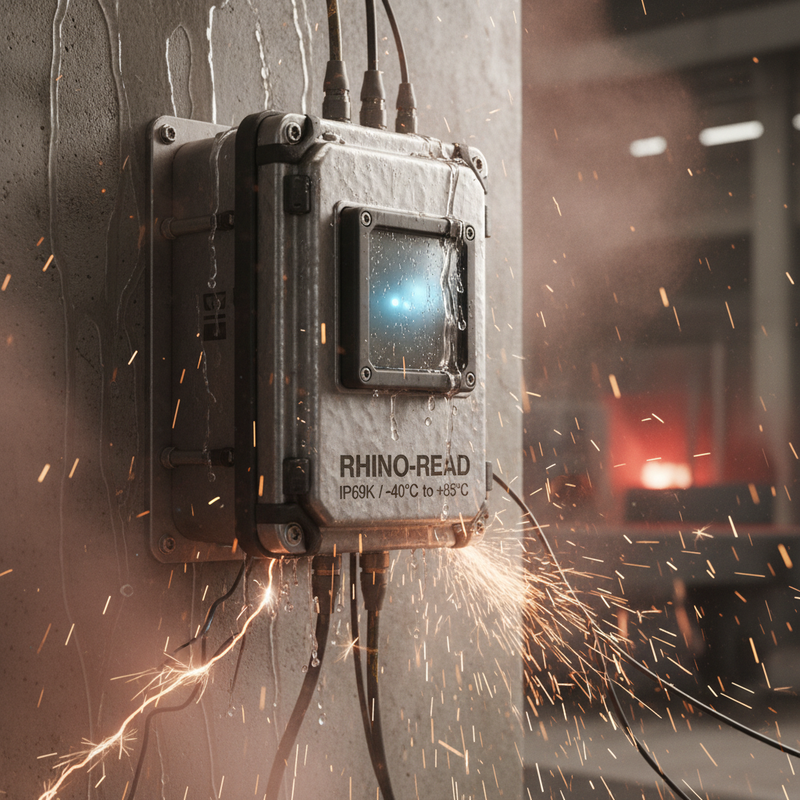
Industrial environments demand hardware that can withstand dust, moisture, extreme temperatures, and electromagnetic noise. Next-generation UHF RFID readers are specifically engineered to thrive in these settings, ensuring consistent performance and data continuity.
Environmental Resilience and Protection
Modern readers are built to survive the harshest physical conditions through specialized engineering:
- Ingress Protection (IP) Ratings: Many new readers meet or exceed IP67 standards, providing full protection against dust ingress and the ability to withstand temporary immersion in water. This is essential for washdown areas, outdoor facilities, and dusty manufacturing plants.
- Extreme Temperature Ranges: These devices typically function reliably from -40°C to +70°C, allowing for deployment in everything from arctic cold storage to high-heat industrial processing.
- Mechanical Durability: Industrial readers incorporate enhanced vibration and shock resistance, often meeting military standards like MIL-STD-810G. This makes them ideal for mounting on heavy machinery, conveyors, or vehicles subjected to constant operational stress.
Signal Integrity and Shielding
Beyond physical toughness, these readers are designed to maintain high performance in electromagnetically "noisy" environments.
- EMI/EMC Shielding: Superior electromagnetic compatibility (EMC) and interference (EMI) shielding protect the reader from the noise generated by heavy motors, welding equipment, and other industrial machinery.
- Reliable Data Capture: This advanced shielding ensures clean, reliable reads even when surrounded by equipment that would typically disrupt RF signals.
Key Operational Benefits
- Minimized Downtime: Robust construction reduces the risk of hardware failure in demanding settings.
- Flexible Deployment: Resilience allows for readers to be installed exactly where data is needed, regardless of the environmental constraints.
- Guaranteed Data Continuity: Ensures that critical asset tracking remains uninterrupted, even under the most challenging industrial conditions.
The Brains Behind the Reads: Intelligent Antennas, Algorithms & Edge AI
The intelligence of next-generation UHF RFID readers goes far beyond basic signal reception. By integrating advanced antenna designs, AI-driven software, and edge computing, these devices have evolved into proactive, adaptable systems for industrial data management.
Enhanced Antenna Technology & RF Design
Instead of static beams, modern readers use intelligent arrays to ensure comprehensive coverage even in complex environments.
- Multi-Directional & Phased Arrays: Advanced designs minimize blind spots and effectively cover intricate asset layouts that traditional antennas might miss.
- Dynamic Beamforming: Emerging readers can electronically steer RF energy directly toward tags. This significantly improves read range and accuracy, particularly in areas with metallic interference that causes signal reflections.
- Adaptive RF Tuning: Readers can dynamically adjust transmit power and frequency-hopping patterns in real-time. This optimizes performance based on environmental noise and tag density while maintaining regulatory compliance.
Software & Firmware Innovations
Sophisticated algorithms and onboard intelligence ensure that readers can handle massive amounts of data with extreme precision.
- Advanced Anti-Collision: Beyond standard protocols, proprietary algorithms allow readers to identify hundreds of tags simultaneously within milliseconds, even when items are densely packed.
- AI/ML Data Filtering: Embedded Artificial Intelligence differentiates between valid tag reads and stray reflections. This reduces "data noise" and ensures that only relevant information is recorded.
- Predictive Analytics: By analyzing asset movement patterns directly on the device, intelligent readers can facilitate predictive maintenance and identify operational bottlenecks before they cause delays.
Edge Computing Capabilities
With powerful multi-core processors and increased memory, next-gen readers act as local "brains" for the supply chain.
- Local Data Processing: Readers can filter, aggregate, and normalize raw RFID data at the source before sending it to the cloud or an ERP system.
- Reduced Latency: By processing data at the edge, the system responds faster to real-time events, improving the overall speed of decision-making.
- Bandwidth Efficiency: Transmitting only processed, high-value data—rather than every raw tag read—minimizes network strain and reduces cloud storage costs.

Revolutionizing Industries: Real-World Applications of Next-Gen RFID
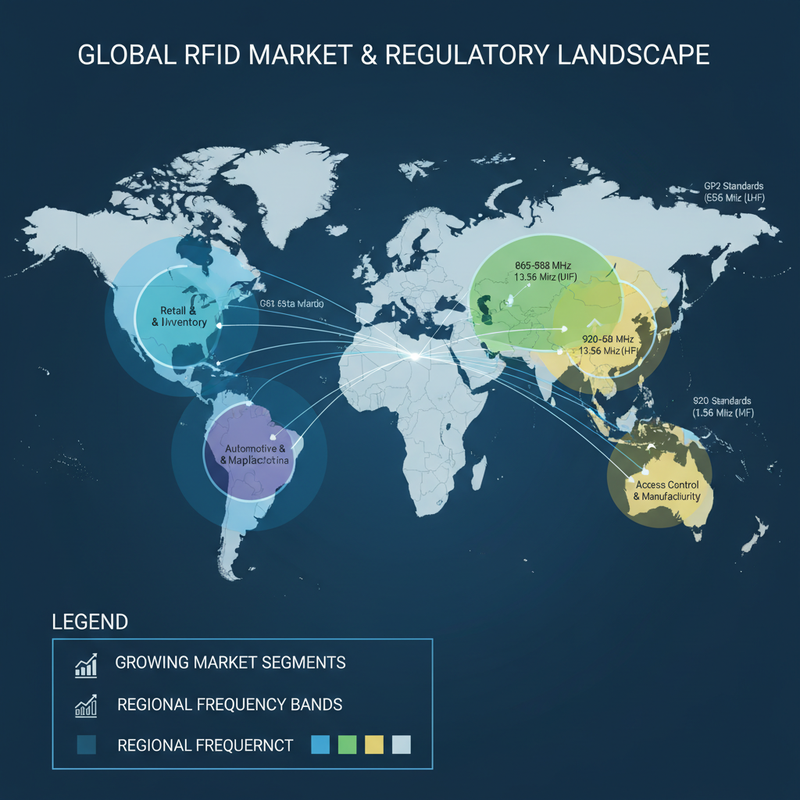
The enhanced capabilities of next-gen UHF RFID readers are driving a new era of industrial automation, providing unprecedented visibility and efficiency across several key sectors.
Manufacturing & Automotive
These sectors leverage high-performance readers to manage complex production environments where metal and dense machinery typically interfere with radio signals.
- Work-in-Progress (WIP) Tracking: Provides real-time visibility as components move through production lines, eliminating bottlenecks and optimizing flow.
- Automated Tool Management: Ensures high-value tools are calibrated and accounted for, preventing loss and maximizing uptime.
- Production Checkpoints: Major manufacturers use fixed readers in paint shops and assembly lines to track vehicle bodies. This has been shown to reduce manual scanning time by up to 95% while vastly improving production transparency.
Warehousing & Logistics
In fast-paced logistics hubs, next-gen RFID transforms static storage into a dynamic, data-driven operation.
- Inventory Accuracy: Boosts accuracy from traditional levels of 60–70% to over 99% through automated, real-time cycle counting.
- Rapid Processing: Long-range readers can scan entire truckloads or warehouse aisles in seconds, significantly reducing labor costs.
- Yard Management: Automated tracking of trailers and containers in large outdoor spaces improves security, optimizes staging, and accelerates cross-docking operations.
Aerospace & Defense
Precision and compliance are the primary drivers for RFID adoption in these high-stakes industries.
- Lifecycle Traceability: Tracks high-value parts and aircraft components to ensure regulatory compliance and strict maintenance scheduling.
- MRO Efficiency: Provides the precision needed for Maintenance, Repair, and Overhaul processes, ensuring a documented chain of custody for every component.
- Safety & FOD Prevention: Real-time tool tracking helps prevent Foreign Object Debris (FOD), which is critical for flight safety.
Heavy Industry & Construction
Ruggedized readers are essential for the vast, harsh environments found in mining and large-scale construction.
- Equipment Tracking: Monitors heavy machinery and specialized vehicles to improve utilization and reduce theft on expansive outdoor sites.
- Safety & Security: Enhances site safety by providing real-time location data for both assets and personnel.
- RTI Management: Optimizes the rotation and reduces the loss of Returnable Transport Items (RTIs), such as industrial containers and pallets, across complex global supply chains.

The Competitive Edge: Differentiating Next-Gen Solutions for 2025
The UHF RFID reader market is a dynamic landscape, featuring a blend of established global leaders and innovative specialized providers. These players differentiate their offerings through superior hardware performance, advanced AI features, and comprehensive ecosystem integration.
Leading Manufacturers and Platforms
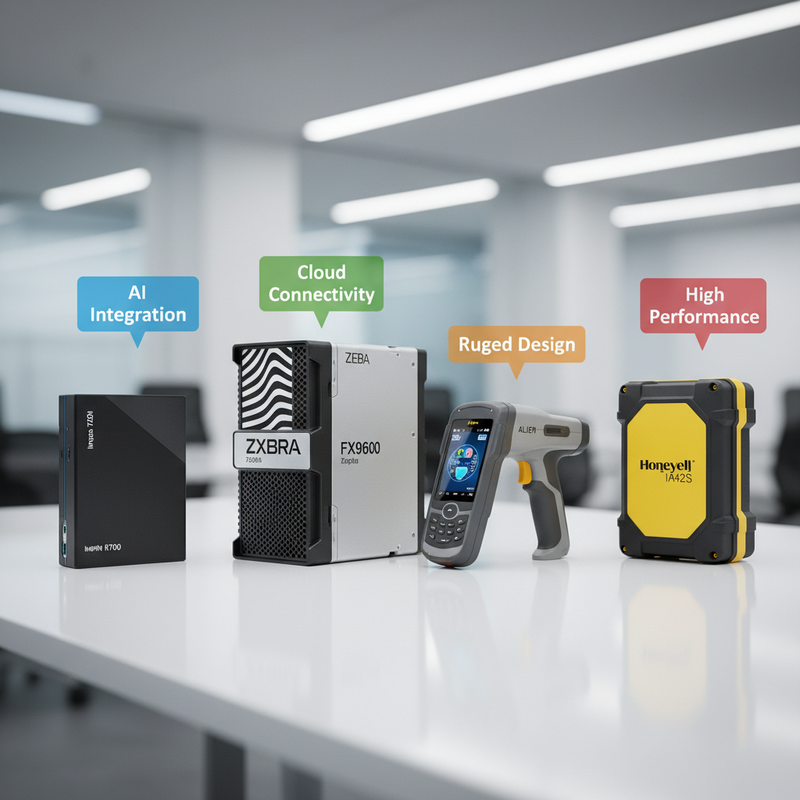
- Impinj: A dominant force in RFID silicon and platforms. Their R700 series (including the 2026 upgraded version) exemplifies next-gen performance with a 64-bit processor, expanded memory for edge computing, and industry-leading receive sensitivity.
- Zebra Technologies: A leader in enterprise asset intelligence. Their FX series (such as the FX9600) is built for rugged environments, offering high-volume throughput and integrated support for large-scale asset tracking ecosystems.
- Alien Technology: Well-regarded for its high-performance ALR series readers and its foundational Higgs chip line, focusing on reliable data capture in industrial settings.
- Honeywell: Provides specialized industrial readers often bundled with their broader AIDC (Automatic Identification and Data Capture) solutions for seamless workflow integration.
- Specialized Providers: * GAO RFID Inc. focuses on niche industrial applications.
- ThingMagic (a Novanta Company) provides high-performance embedded modules used by other vendors to power their own RFID solutions.
- Confidex (Beontag) leverages its tag expertise to design integrated systems that optimize performance in "difficult" environments like those containing metal or liquids.
Key Competitive Differentiators
As of 2026, the market has shifted toward intelligent, self-managing systems. The leading solutions are distinguished by:
- Edge Intelligence and Analytics: Modern readers are now true edge devices. They use integrated AI/ML to filter "stray" reads, analyze data streams in real-time, and provide actionable insights without taxing network bandwidth.
- Next-Gen Protocols (Gen2X): New capabilities, such as those found in the Impinj Gen2X toolbox, allow for increased read range (up to a 26% boost) and "Tag Selection" features that enable readers to ignore non-relevant tags.
- Deployment and Remote Management: Leading platforms offer cloud-based management, remote configuration, and developer-friendly APIs to reduce the total cost of ownership and accelerate installation.
- Ruggedness and Environmental Ratings: For industrial use, high IP ratings (like IP67) and broad operating temperature ranges are essential for maintaining data continuity in harsh conditions.
- Interoperability: Broad compatibility with a wide array of tags (such as the high-sensitivity M800 series chips) and seamless integration with existing ERP and WMS systems ensure long-term future-proofing.
Conclusion
The advancements in next-gen UHF RFID readers are not merely incremental improvements; they represent a paradigm shift in industrial asset tracking. With unparalleled accuracy, extended range, robust design for harsh environments, and integrated intelligence, these readers are poised to unlock significant operational efficiencies across manufacturing, logistics, and heavy industry. For businesses seeking to achieve real-time inventory visibility, automate complex workflows, and gain predictive insights into their assets, investing in these advanced solutions is no longer an option, but a strategic imperative. Partner with Tag N Trak It to leverage the power of next-gen UHF RFID and transform your asset management into a competitive advantage.
