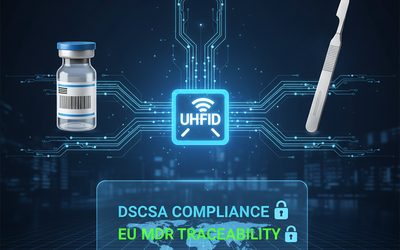
The Evolution of Data Storage: Beyond Simple Identification
For decades, UHF RFID tags primarily served as digital license plates, holding a unique Electronic Product Code (EPC) for rapid item identification. While efficient, this limited data capacity often necessitated external database lookups for richer item details. Next-generation UHF RFID chips, however, are fundamentally changing this paradigm by offering significantly expanded user memory. This expanded capacity allows for direct, on-chip storage of comprehensive item-level data, transforming a simple identifier into a sophisticated digital twin of the physical product. Chips now commonly feature user memory ranging from 512 bits to 8 Kbits, with some advanced designs pushing even further.
This additional space can store a wealth of information: manufacturing dates, batch numbers, expiration dates, detailed quality control logs, specific component serial numbers, and even a history of previous locations or inspection results. For instance, NXP's UCODE DNA chips offer up to 3 Kbits of user memory, ideal for extensive product information or a dynamic record of logistics data (NXP Semiconductors, "UCODE DNA"). Crucially, these advanced chips support dynamic read/write capabilities, meaning data isn't static. Information can be updated at various points throughout the supply chain – from recording assembly stages at the factory to logging temperature excursions during transit, or even confirming successful delivery.
This continuous data update capability creates a dynamic, living record for each individual item. Features like Impinj's BlockPermalock further enhance flexibility, allowing specific memory blocks to be permanently locked after initial data encoding, providing a layered approach to data management and security. This robust on-chip data storage reduces reliance on constantly connected databases, ensuring critical information is always accessible and directly tethered to the physical asset.

Unbreakable Chains: Cryptographic Security for Authentication and Data Integrity
Next-generation UHF RFID chips feature integrated cryptographic engines, specifically hardware-based AES-128, to combat counterfeiting and data manipulation. This standard enables secure mutual authentication through a challenge-response mechanism: the reader issues a unique cryptographic challenge, and the chip generates a signed response using a secret key stored immutably in its hardware. This process ensures the tag is authentic and makes cloning attempts futile, as unauthorized copies lack the necessary hardware-secured keys.
Beyond identity verification, these chips prioritize data integrity by applying cryptographic signatures or Message Authentication Codes (MACs) to user memory. Any unauthorized change to the stored data instantly invalidates the MAC, flagging the information as compromised. Security is further bolstered by Secure Unique IDs (UIDs)—undeniable digital fingerprints that are physically unalterable—and integrated true random number generators that prevent replay attacks by ensuring every communication session is unique.
These advancements make next-gen RFID chips an ideal physical anchor for advanced traceability systems, such as those built on blockchain. By providing a secure link between physical goods and digital ledgers, the technology ensures that data privacy and authenticity are maintained throughout the supply chain. This combination of hardware-rooted trust and cryptographic protection allows industries to implement high-assurance tracking that is resilient against both physical and logical attacks.

Beyond Digital: Physical and Sensor-Based Tamper-Proofing
Next-generation UHF RFID tags now combine physical and digital mechanisms to provide undeniable proof of interference. Physical tamper detection often utilizes "break-on-removal" designs, where antennas or circuits self-destruct if a tag is peeled off. This ensures that any attempt to remove or reuse a tag on a different product results in visible damage and functional failure, making it an essential feature for protecting high-value items and sensitive documents from fraudulent reapplication.
A revolutionary advancement in this field is the integration of miniature sensors directly into high-end chips. These sensors can continuously monitor and log environmental factors like temperature, humidity, and shock into the chip’s memory. For industries like pharmaceuticals, this creates an unalterable, time-stamped record of the product's journey. If a cold chain is breached, the tag provides definitive proof of compromise, ensuring that the physical conditions of transport are just as verifiable as the digital data.
Complementing these physical features, digital tamper evidence uses cryptographic sealing to protect stored information. Any unauthorized modification to data blocks immediately invalidates the digital seal, alerting authorized readers to the compromise. By merging hardware-based sensors with cryptographic protection, these next-gen tags ensure a complete chain of custody, verifying that both the product's identity and its environmental integrity remain intact from production to the end consumer.

Navigating the Standards Landscape: EPC Gen2v2 and Interoperability
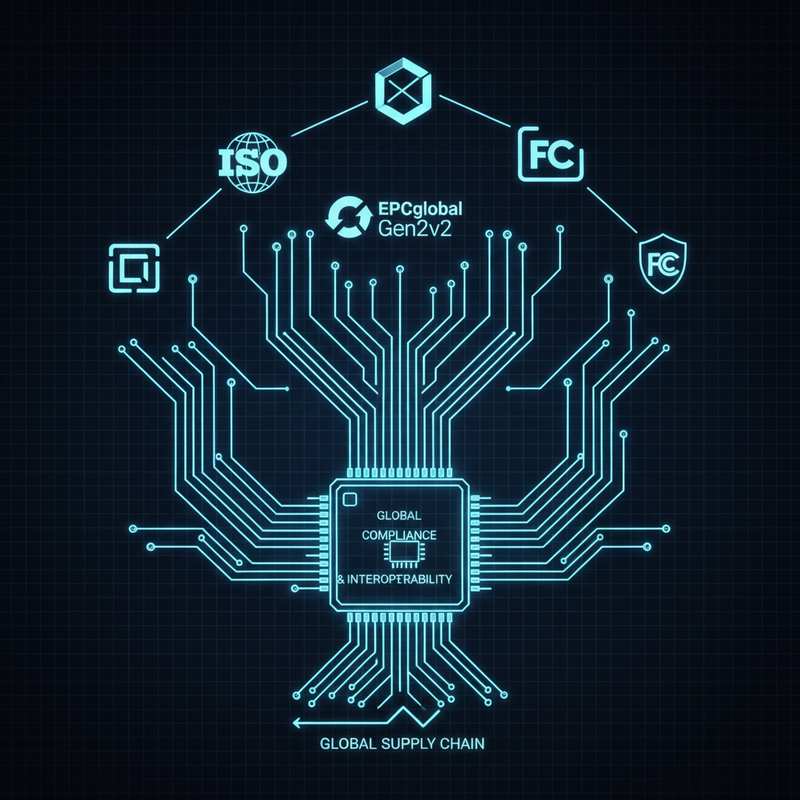
The effectiveness of any advanced technology hinges on its interoperability and adherence to global standards. For next-generation UHF RFID, the EPCglobal Gen2v2 standard, formally ratified as ISO/IEC 29167-10, serves as the critical framework enabling these security and data enhancements across the ecosystem. This standard specifically addresses cryptographic security features and enhanced data integrity, ensuring that innovations from various chip manufacturers can work seamlessly together.
EPC Gen2v2 introduces crucial specifications for cryptographic functionalities, including support for AES-128 authentication, secure command sets, and enhanced privacy modes. This means that tags from different vendors, compliant with Gen2v2, can utilize standardized cryptographic protocols to verify authenticity and protect data. This standardization is vital for large-scale deployments, as it prevents vendor lock-in and ensures that investments in secure RFID infrastructure are future-proof.
Without a common standard, the myriad of security features being developed would lead to fragmented and incompatible systems, hindering widespread adoption (ISO/IEC 29167-10:2015). While EPC Gen2v2 defines the chip's secure capabilities, organizations like GS1 play a complementary role. The GS1 EPC Tag Data Standard defines how common product identifiers (like SGTIN for serialized trade items) are encoded and stored on EPC-compliant tags. Secure chips ensure the integrity of this encoded data throughout its entire lifecycle, from manufacturing to consumption.
The synergy between secure hardware standards and data encoding standards provides a robust foundation for building truly trustworthy and transparent supply chains, ensuring that both the identity of the item and the data associated with it are verifiable and protected.
Industry Impact: Revolutionizing Supply Chains and Brand Protection
The enhanced data capacity and cryptographic security of next-generation UHF RFID chips are transformative tools for solving critical industry challenges like counterfeiting and supply chain opacity. In Pharmaceuticals, these secure tags are instrumental in meeting serialization mandates like the DSCSA and EU FMD. By authenticating individual vials and packages, technologies such as UCODE DNA chips prevent counterfeit medicines from entering the supply chain, directly safeguarding public health through verifiable product integrity.
For Luxury Goods & Apparel, secure RFID provides powerful brand protection by allowing authentication at any point in the lifecycle. This prevents grey market diversion and enables consumers to verify product authenticity via mobile apps. Similarly, in the Automotive and Electronics sectors, these tags ensure that only genuine components are used, protecting intellectual property and preventing the use of substandard parts that could compromise safety or performance.
Beyond security, these chips revolutionize Supply Chain Visibility through integrated environmental sensors. In the Food & Beverage sector, they provide an undeniable audit trail for cold chain integrity, while expanded memory allows for detailed origin and processing data. For Retail and High-Value Asset Management, item-level tracking optimizes inventory, prevents fraudulent returns, and ensures the proper maintenance of specialized equipment, ultimately creating a more resilient and transparent global market.

The Market Pulse: Growth and Key Innovators
The global UHF RFID market is experiencing robust growth, driven by the demand for advanced supply chain transparency, inventory precision, and anti-counterfeiting measures. The total RFID market is projected to grow from USD 20.6 billion in 2026 to over USD 60 billion by 2035, with the UHF segment leading this expansion due to its long-range capabilities and suitability for item-level tracking. Key drivers include the rise of e-commerce, stringent regulatory requirements for product serialization, and the foundational role of RFID in Industry 4.0 and the IoT landscape, where it provides essential data for automated decision-making.
Innovation in the sector is led by prominent players who are shifting the role of RFID from simple identifiers to intelligent data carriers. Impinj remains a leader with its Monza and M700 series, focusing on high-speed data encoding and sensitivity for dense tag populations. NXP Semiconductors dominates the secure supply chain segment with its UCODE family, offering advanced AES-128 cryptographic authentication to ensure product authenticity. Meanwhile, STMicroelectronics provides versatile solutions like the ST25TV series, which integrates tamper detection and multi-protocol support for high-security applications.
The competitive landscape is further populated by innovators like Zebra Technologies, Alien Technology, and EM Microelectronic, who contribute specialized, low-power, and ruggedized solutions. This industry-wide shift toward "smart" tags is creating more resilient supply chains by integrating features like digital product passports and environmental sensors. As organizations increasingly prioritize digital transformation, the strategic value of these secure, data-rich RFID chips continues to solidify, providing a clear return on investment through reduced labor dependency and near-perfect inventory accuracy.
Conclusion
The evolution of UHF RFID chips represents a paradigm shift in how businesses approach asset tracking, supply chain integrity, and brand protection. With expanded data capacity, hardware-level cryptographic security, and advanced tamper-proofing mechanisms, these next-generation tags are no longer just identifiers—they are intelligent, secure guardians of product authenticity and data integrity. As global supply chains become increasingly complex, leveraging these advanced RFID capabilities is not just an advantage, but a necessity for combating fraud, ensuring compliance, and building consumer trust. To explore how Tag N Trak It can integrate these cutting-edge UHF RFID solutions into your operations and fortify your supply chain, contact us today for a personalized consultation.
- RFID Market - Global Forecast to 2027
- Impinj M700 Series
- UCODE DNA - Authenticating at Light Speed with UHF RFID
- RFID security solutions in 2025: UCODE DNA, the future of secure UHF RFID
- ST25TV Series: NFC Forum Type 5 Dynamic Tags with advanced features
- Information technology — Automatic identification and data capture techniques — Part 10: Individual air interface communication protocol for cryptographic functionalities for item management — UHF RFID
- UCODE I2C Family